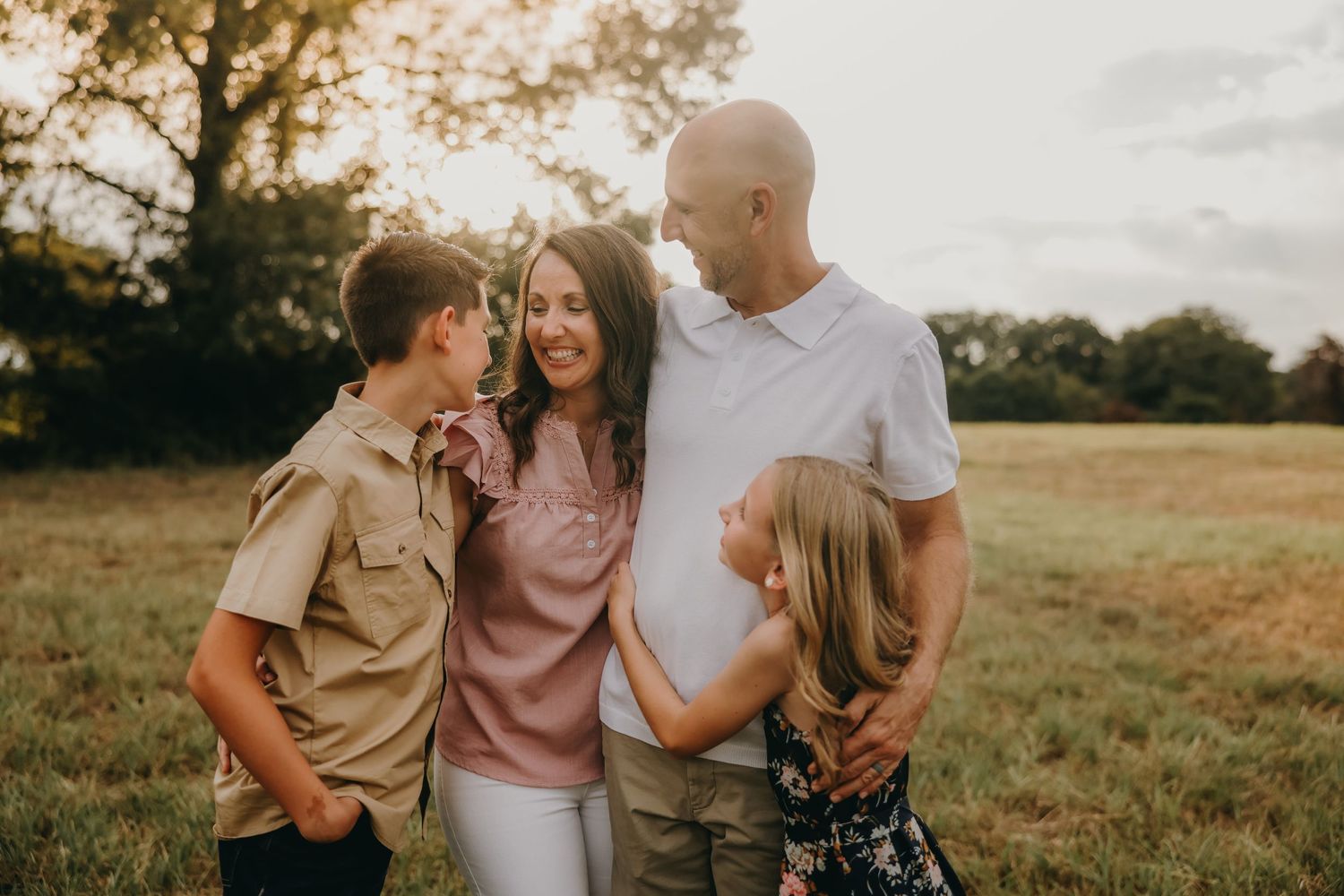
Take the guess work out of what to wear... For everyone.
You've booked the shoot & you're pumped to get some new updated wall decor to finally decorate with. Yay! But what the heck do y0u wear? And what does the hubby wear? And what can you put the kiddos in so that they match and also simultaneously somehow match both you and y0ur spouse? You like dresses, the hubs likes anything comfortable, your girl refuses to wear a dress, your son couldn't care less and you literally have no idea where to start to plan a whole color palette and make everyone happy?
Enter Neutrals, the Little Black Dress for Families
5 REASONS
1. Timeless
Neutral tones like white, black, gray, beige, and soft pastels never go out of style. Unlike bold patterns or vivid colors that might look dated in a few years, neutrals have a classic, enduring quality. When you look back at your photos in the future, you’ll appreciate how they stand the test of time, rather than being tied to a specific trend.
2. Focus on You, Not the Clothes
The primary focus of any photo should be you—your expressions, your connection with others in the image, and the story you’re telling. Bright colors and busy patterns can sometimes distract from that focus. By opting for neutral tones, you allow the attention to stay on you, creating a more cohesive and impactful image.
3. Versatility & Coordination
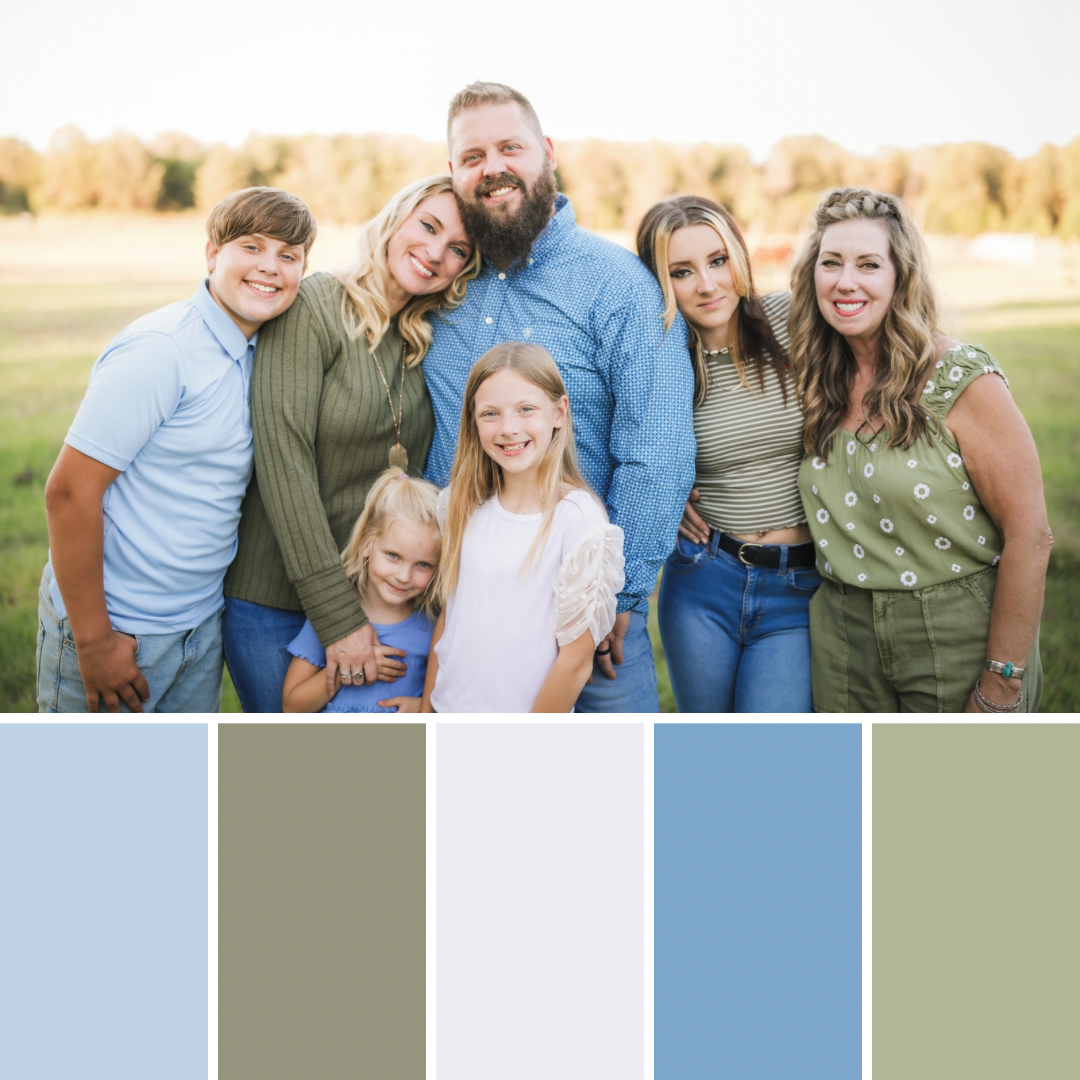
Neutral tones are incredibly versatile and easy to coordinate with each other. Whether you’re being photographed alone, with a partner, or with a group, neutrals can help ensure that everyone’s outfits complement each other without clashing. This makes for more harmonious and visually pleasing photos.
4. Enhancing Natural Beauty
Neutrals tend to work well with all skin tones, enhancing your natural beauty rather than overpowering it. Soft shades of beige, gray, and white can add a subtle glow to your complexion, while darker neutrals like charcoal and navy offer a sleek, sophisticated look. The result is a balanced, flattering image that highlights your best features.
5. Perfect Backdrop Pairing
When we’re shooting in various locations, the background plays a significant role in the overall composition. Neutral tones are adaptable and work beautifully against almost any backdrop, whether it’s a lush garden, a rustic urban setting, or a minimalist studio. This flexibility ensures that your outfit doesn’t clash with the environment, allowing for a more polished final result.
How to incorporate neutrals
If you’re not used to wearing neutrals, you might worry that they’ll look too plain or lack personality. But with the right styling, neutral tones can be anything but boring. Here are a few tips:

Layering
Add depth to your outfit by layering different textures and shades in neutral colors or even complementary colors. For example, a gray sweater over a white button up.
The woman's Burgundy top qualifies as a near neutral because Red + Black = Burgundy.
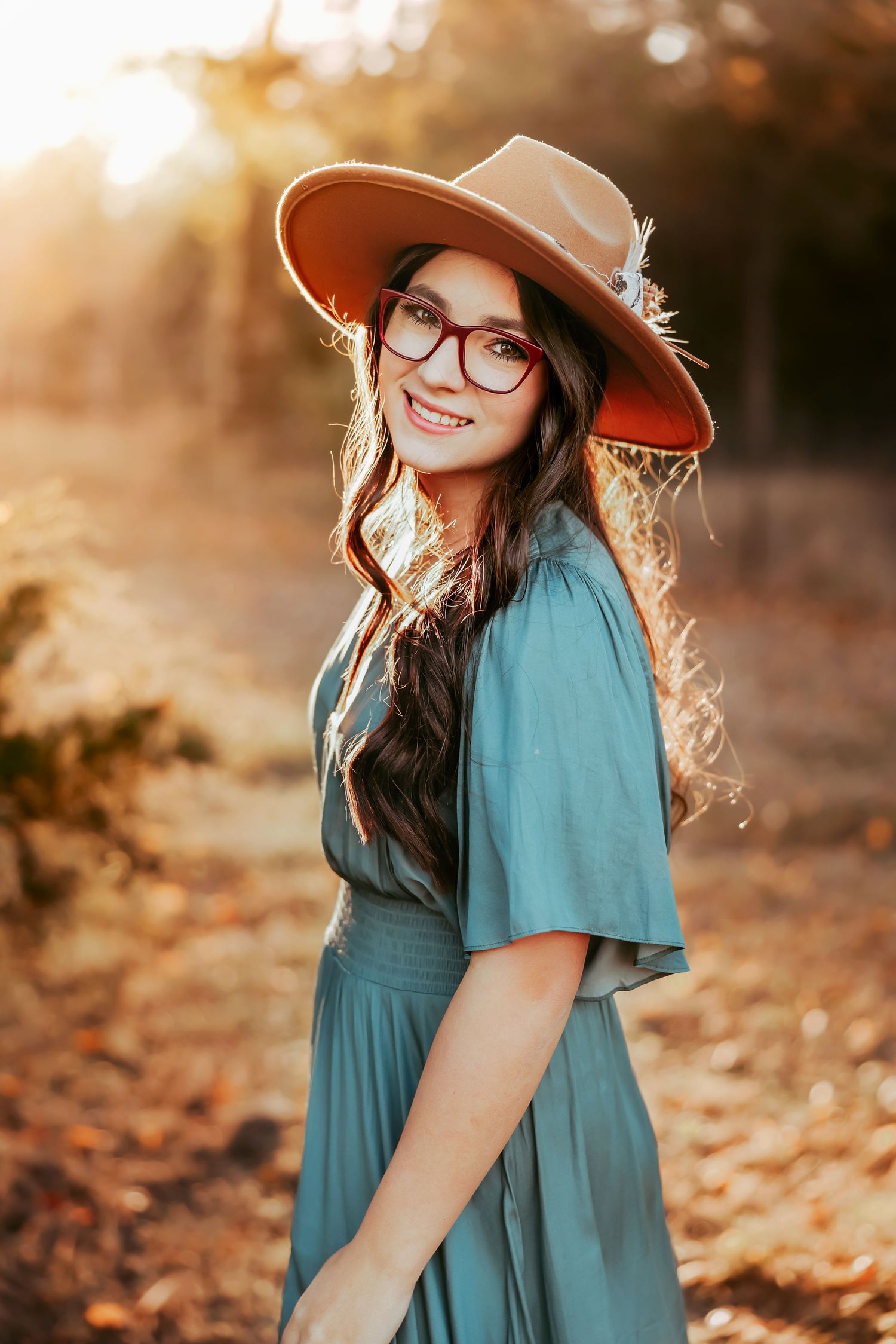
Accessorize
Incorporate accessories like scarves, hats, or jewelry in neutral tones to add interest and detail to your outfit without overpowering it.
Here this client used a neutral hat and paired it with a soft pastel like this turquoise dress.
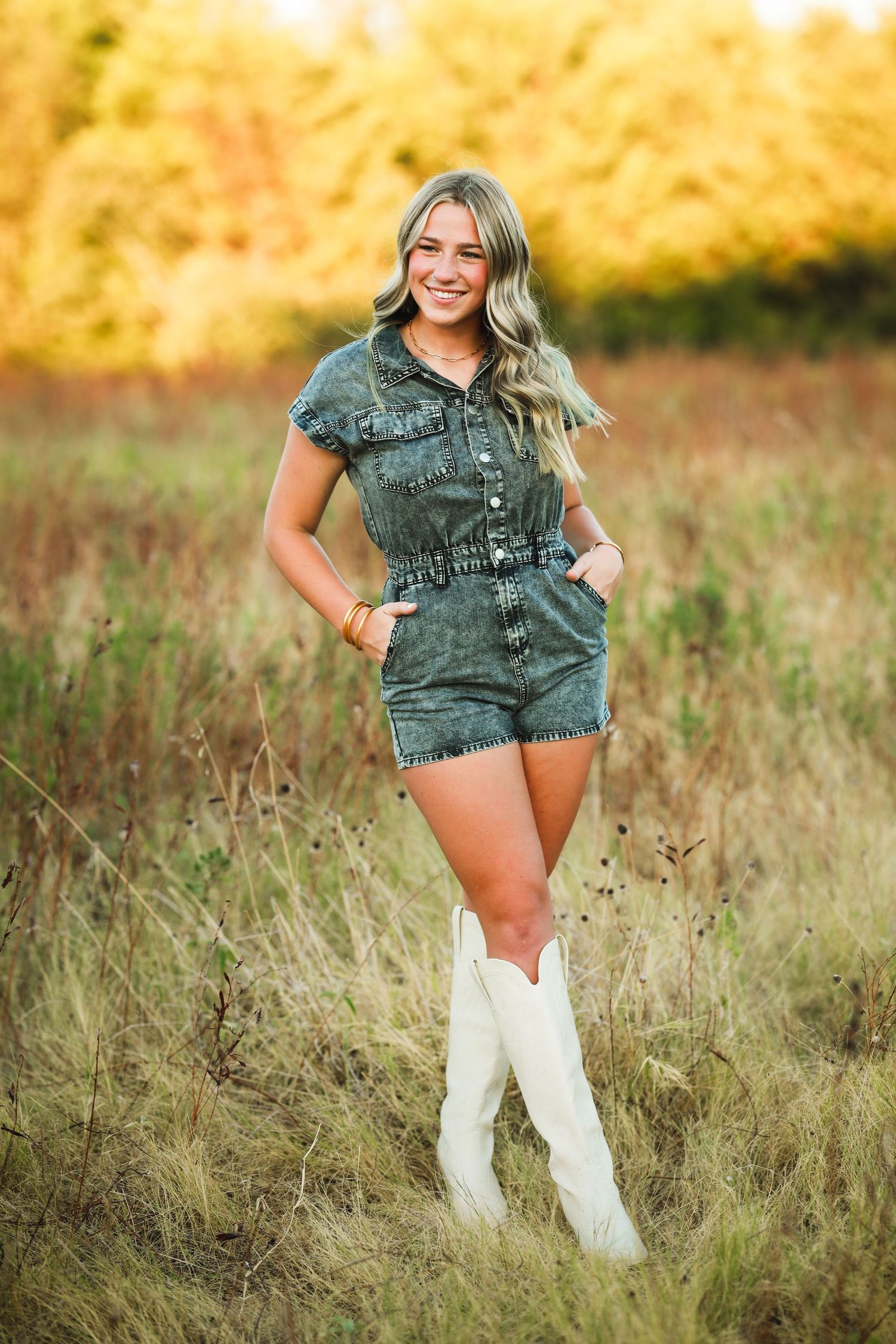
Mixing Neutrals
Don’t feel confined to just one neutral color. Mixing different neutrals, such as pairing a gray denim jumpsuit with white-colored boots, which can create a playful and modern look.
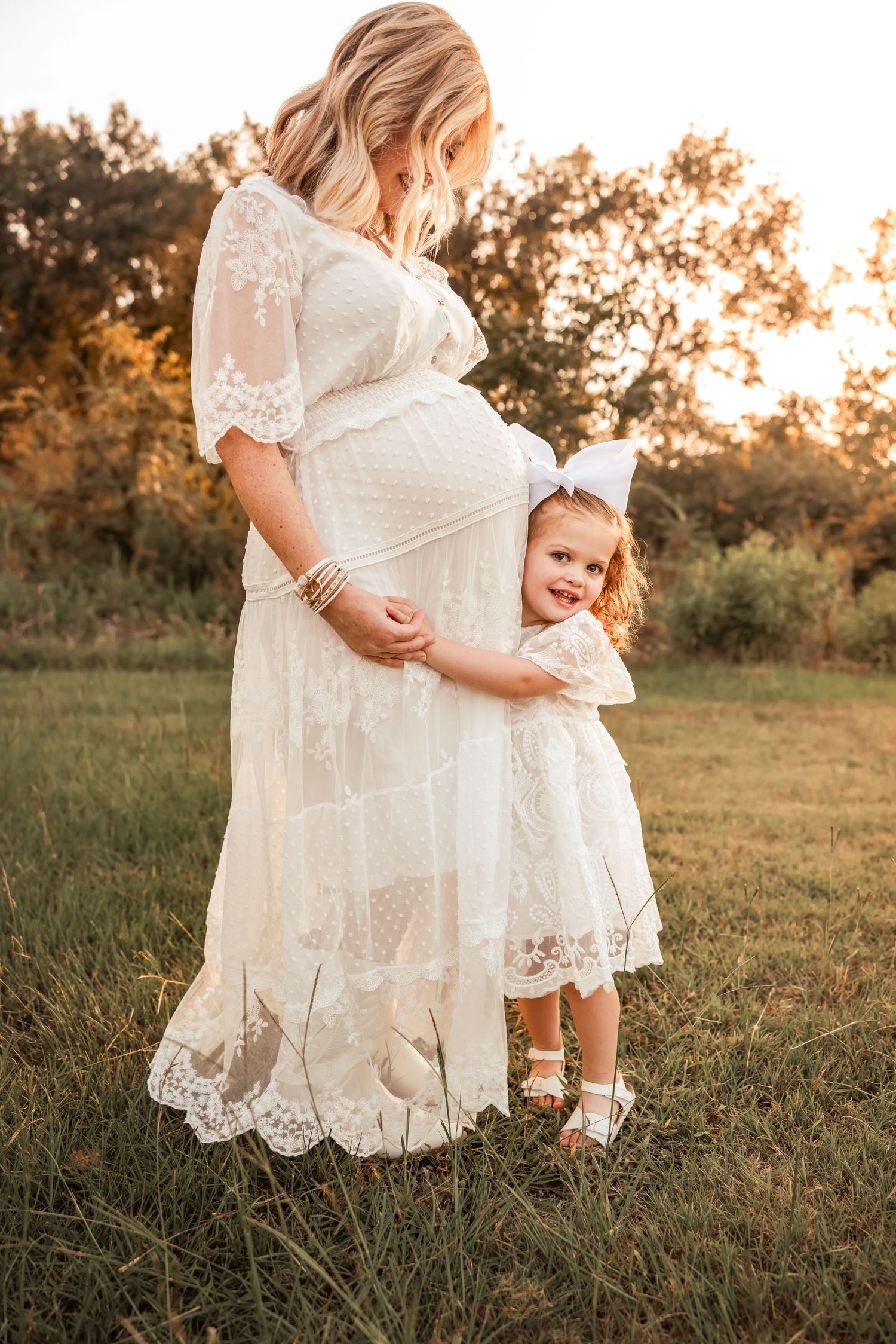
Add Subtle Patterns
If you’re concerned about your outfit feeling too plain, consider incorporating subtle patterns like this client used in her & her daughter's lace dresses. These can add visual interest without overwhelming the image.
Neutrals, Near Neutrals and Colors
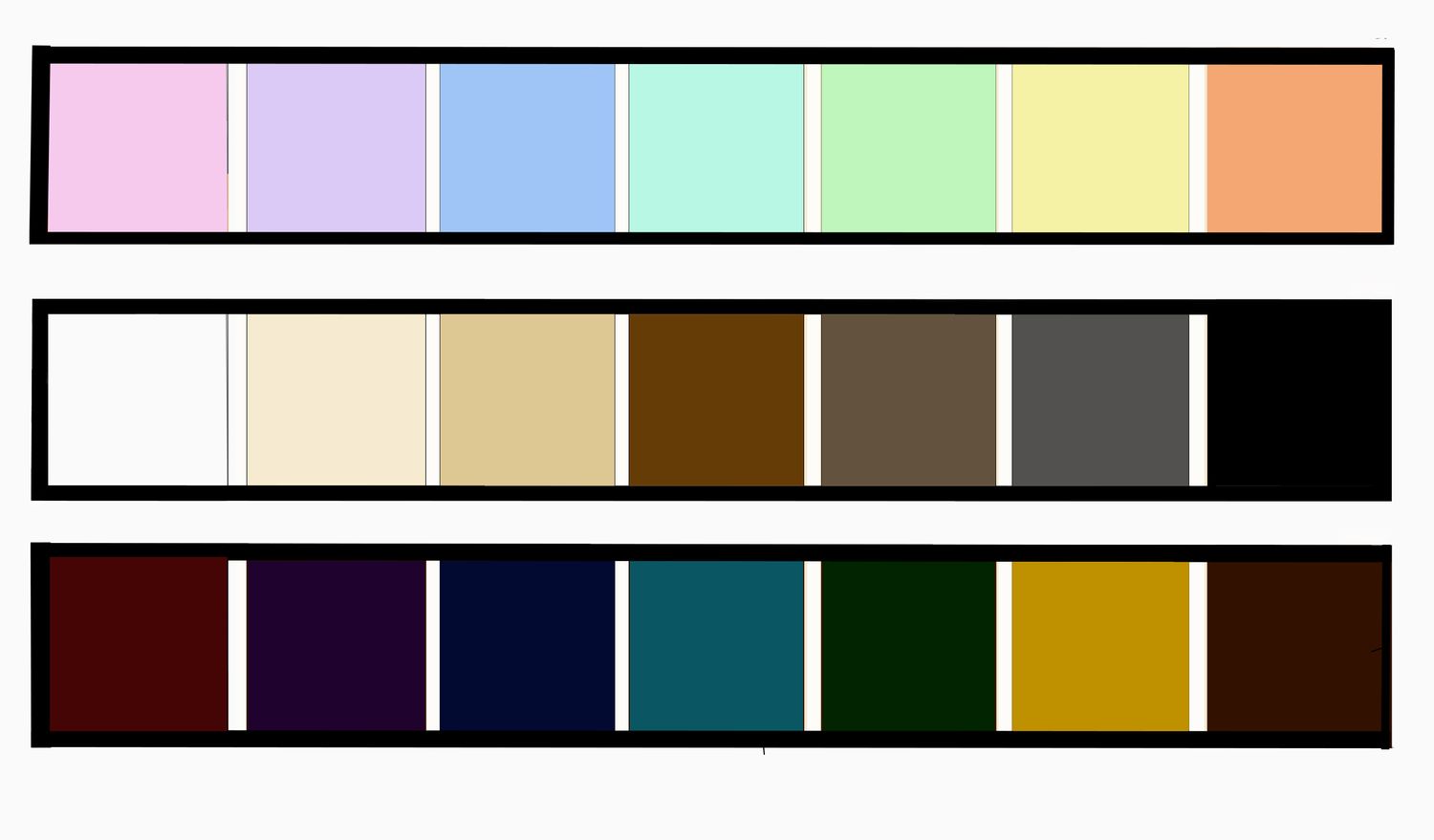
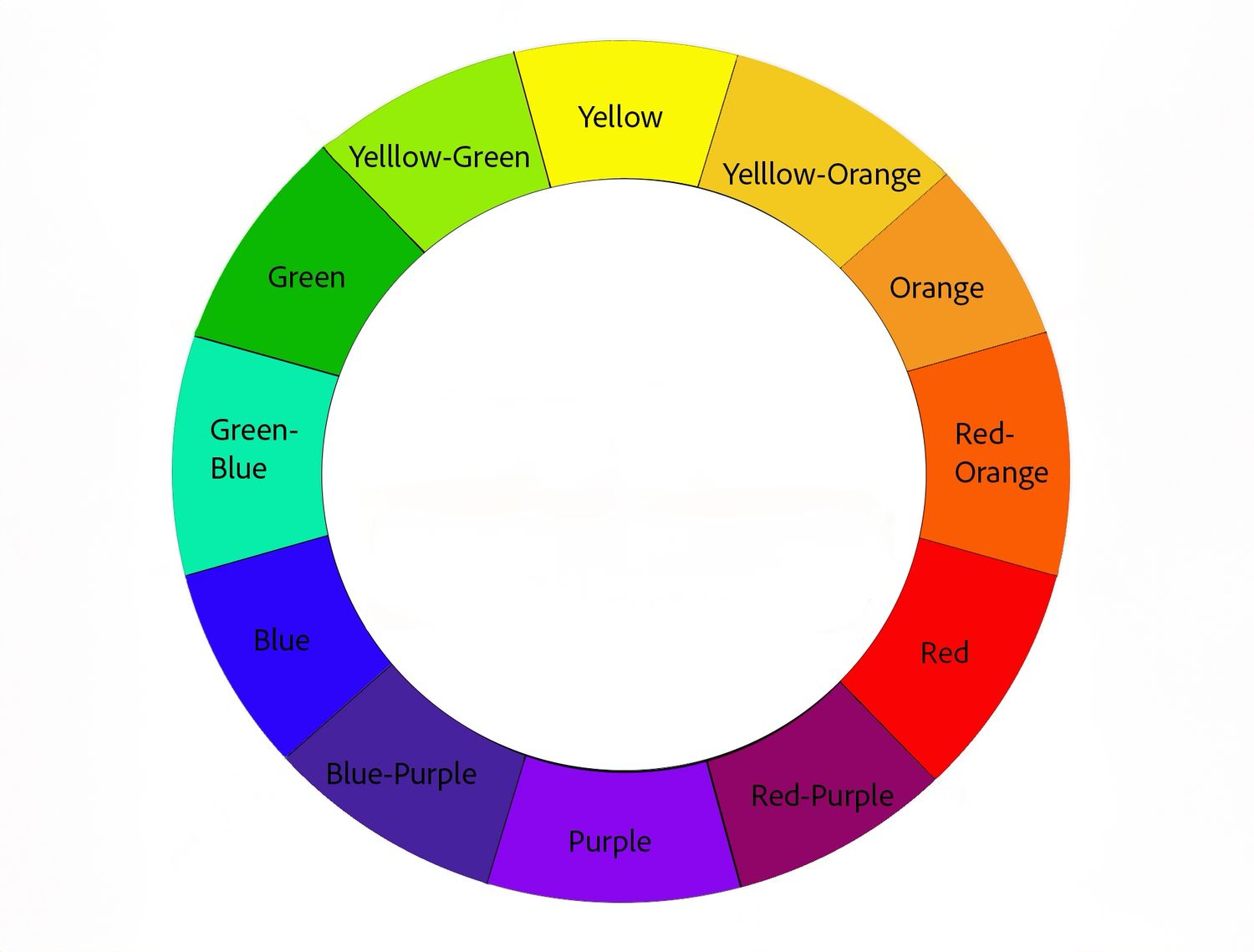
The picture on the left shows some neutral and near neutral colors. The middle line is probably what most people think of when we say neutral, but actually only white, black, brown and grey are pure neutrals (colors with no undertone hue.) All other colors like in the left picture are a mix of either more white or black. They are colors that are from the color wheel (seen on the right ) that are mixed to be lighter and darker. When we mix colors with lower saturation think brown and white we get a near neutral, beige. Another example is Blue-grey it also gives a neutral undertone.
When planning your photoshoot wardrobe, remember that neutral tones offer a versatile, timeless foundation that can enhance the overall look and feel of your images. By choosing neutral colors, you’ll ensure that the focus remains on you, allowing your natural beauty and personality to shine through.
But remember, while color science is a valuable tool in capturing images pleasing to the eye, the most important thing to remember is to enjoy yourself, feel confident in what you're wearing and to be comfortable during your shoot!
About the Author
I'm Tashia. My husband Brian and I have a photography business. I have a passion for art and more importantly people and their stories. Take this information with a grain of salt and apply only what works for you and your family.
I’m looking forward to capturing beautiful moments with you, and I’m here to help with any styling questions or concerns you might have as you prepare. Together, we’ll create stunning photos that you’ll cherish for years to come.
White Bear Co. Photographers
